Water is one of those things we rarely think about until something changes. Maybe your glass of water has an unusual taste, white marks keep appearing around the taps, or your shower leaves your skin feeling dry. Sometimes the signs are obvious; other times, water can contain substances that you can’t see, smell, or taste at all.
When that happens, it’s tempting to buy the first filtration system that promises cleaner, fresher water. But choosing the right solution takes a little more thought. Different water problems require different treatment methods, and a system that works beautifully in one home may be unnecessary or ineffective in another.
The sensible place to begin is with your water source, your household’s needs, and reliable test results. Once those details are clear, the process becomes less confusing—and you’re more likely to invest in equipment that genuinely helps.
Start by Understanding Your Water
Water quality can vary considerably depending on where it comes from. Municipal supplies are generally treated and monitored, but mineral content and other characteristics can still vary by location. Private wells may be influenced by local geology, agricultural activity, nearby septic systems, and seasonal changes.
Hard water is a common household concern. It contains elevated levels of calcium and magnesium, which can leave cloudy deposits on shower screens, reduce soap lather, and build up inside water heaters. Iron may cause reddish-brown stains, while certain sulfur compounds can create a noticeable rotten-egg smell.
These signs are useful clues, but they don’t tell the whole story. A clear glass of water is not necessarily free from contaminants, and unpleasant-tasting water is not automatically dangerous. Testing helps separate visible nuisances from issues that need more careful attention.
A useful starting point is to ask what the test will measure and whether the results will help identify a suitable treatment. Depending on the water source and local concerns, testing may cover hardness, pH, iron, nitrates, bacteria, or particular metals. The right selection depends on the circumstances rather than a standard package alone.
Why Testing Should Come Before Buying Equipment
It’s easy to assume that every home needs the same combination of filters, softeners, and purification equipment. In practice, that approach can lead to unnecessary costs and disappointing results. A household dealing with mineral scale has different needs from one concerned about a specific dissolved contaminant.
A free water test can be a convenient first step when offered by a water treatment provider, but it’s worth checking what the service includes. Some basic tests provide a useful indication of hardness or pH, while others may be little more than a sales demonstration. If you have concerns about drinking-water safety, ask whether the testing method is suitable for the substances you want to investigate.
For important health-related questions, consider a qualified laboratory and follow relevant local guidance. This is especially important for private well owners, who should test their water regularly and after events such as flooding, repairs, or noticeable changes in water quality.
Once the results are available, take time to understand them. Ask which findings need treatment, which are mainly aesthetic, and which system is designed to address each issue. Clear answers should be part of the decision-making process.
Match the Treatment Method to the Problem
Different technologies perform different jobs, so it helps to understand their basic purposes before comparing products.
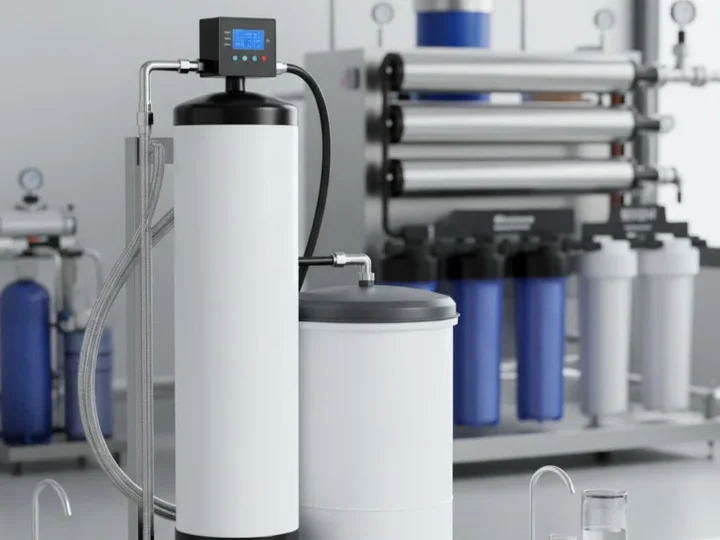
Water softeners commonly use ion exchange to reduce calcium and magnesium. They can help control scale and make soap work more effectively, although they do not remove every contaminant. Some systems add sodium to the treated water, so households with specific dietary concerns may want to discuss alternatives.
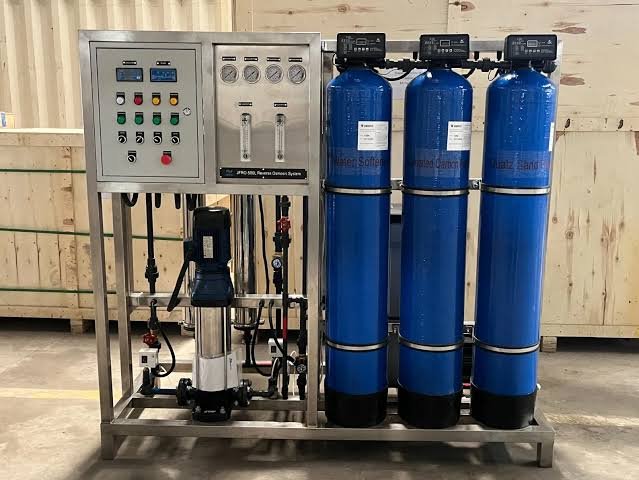
Reverse osmosis systems use pressure to move water through a semipermeable membrane. Depending on the model and operating conditions, they can reduce many dissolved substances and are often installed at a kitchen tap for drinking and cooking water. They also require maintenance and produce a wastewater stream, so efficiency is worth comparing.
Other filtration systems may use sediment cartridges to capture particles, activated carbon to improve certain tastes and odors, or specialized media to reduce particular substances. A filter should never be assumed to remove a contaminant unless its performance has been verified for that purpose.
The main principle is simple: choose equipment based on evidence, not on the length of its feature list. A smaller, properly selected system can be more useful than a complex installation that doesn’t address the actual problem.
Professional Installation Can Prevent Costly Mistakes
Even suitable equipment may not perform as expected if it is installed incorrectly. Pipe connections, water pressure, drainage, electrical requirements, and available space can all affect how a system operates. Poor installation may also create leaks, reduce efficiency, or make routine maintenance more difficult.
That is why professional installation can be valuable, particularly for whole-house systems, reverse osmosis units, and equipment that requires plumbing modifications. A qualified installer should assess the site, explain the proposed setup, and confirm that the selected system is appropriate for the water conditions and household demand.
Before work begins, ask what the installation includes. Will the installer check for leaks, explain the controls, and show you how to replace consumable parts? Are any additional plumbing changes required? What happens if the system needs adjustment after it has been running for a while?
It’s also sensible to understand the warranty. Some manufacturers require installation by an approved professional for particular warranty benefits, while others permit different arrangements. Read the terms rather than relying on assumptions.
Good installation is not simply about getting the equipment connected. It’s about making sure the system is practical to use, accessible for servicing, and set up according to the manufacturer’s instructions.
Maintenance Is Part of the Long-Term Cost
A water treatment system isn’t a one-time purchase that can be forgotten once the technician leaves. Filters eventually need replacing, membranes have a limited service life, and softeners may require salt, cleaning, or periodic inspection. The exact schedule depends on the equipment, water quality, and amount of use.
When comparing systems, look beyond the initial price. Ask about replacement cartridges, expected service intervals, annual maintenance, and the availability of spare parts. A unit with a low purchase cost may be more expensive to operate if its consumables are difficult to source or need frequent replacement.
Keep a simple record of filter changes, service visits, and any follow-up water tests. It doesn’t need to be elaborate; a note on your phone or a small calendar reminder will do. These records make it easier to spot missed maintenance and explain any changes in performance.
Pay attention to the water itself, too. A sudden change in taste, color, smell, or flow rate deserves investigation. Don’t assume that a treatment system will automatically correct every new problem, particularly if the source water has changed.
Look for Support Beyond the Sale
A good supplier should help you understand the equipment before you commit, not just encourage you to choose the most expensive model. You should be able to ask practical questions about capacity, operating costs, water efficiency, certifications, and the contaminants the system is designed to reduce.
Reliable ongoing support also matters once the system is in use. Access to replacement filters, clear maintenance instructions, responsive service, and help with troubleshooting can make ownership much easier. If the system requires periodic testing or adjustment, find out who will handle that work and what it is likely to cost.
It’s worth being cautious about broad claims such as “removes everything” or “makes all water completely pure.” No single treatment technology is suitable for every situation, and performance claims should be supported by independent certification or credible test data for the substances involved.
A provider who explains limitations honestly is often more helpful than one who offers sweeping guarantees. Water treatment is a technical subject, but you should not need a specialist vocabulary to understand what you’re buying.
Make a Choice You Can Feel Confident About
Better water begins with understanding rather than guesswork. Identify the problem, test the water appropriately, compare treatment methods, and make sure the equipment can be installed and maintained properly. That process may take a little longer than ordering a product online, but it can prevent wasted money and help you avoid choosing a system that doesn’t meet your needs.
The best solution isn’t necessarily the biggest or most advanced one. It’s the system that addresses your particular water concerns, fits your household’s daily use, and comes with clear guidance for maintenance.
Water quality deserves attention because it touches so many parts of ordinary life, from drinking and cooking to cleaning and protecting appliances. With reliable information and a practical plan, choosing a treatment system becomes far more manageable. And when you know why your equipment is there, what it does, and how to care for it, you can make decisions with much greater confidence.