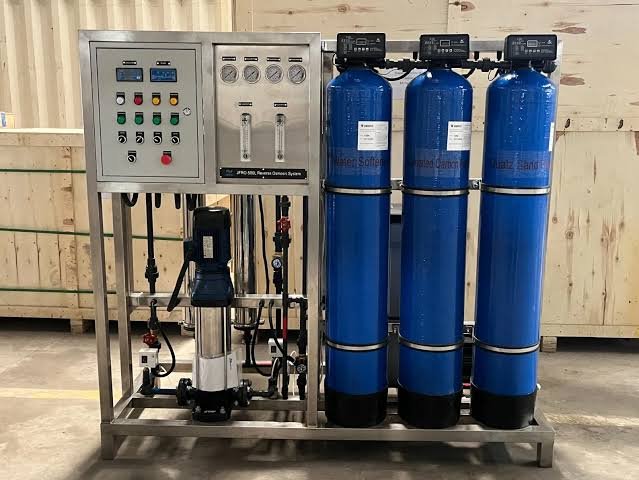
A water treatment system can make everyday life noticeably easier. Showers feel better, mineral buildup becomes less of a nuisance, and drinking water may taste more pleasant when the right equipment is installed. But there’s one part of water treatment that homeowners don’t always consider before making a purchase: keeping the system running properly over time.
Filters need attention, water softeners may require salt, and certain components eventually wear out. Forgetting these tasks doesn’t necessarily cause an immediate breakdown, but performance can gradually decline. Before long, a system that once worked beautifully may no longer deliver the results a household expects.
Fortunately, maintaining water treatment equipment doesn’t have to become another complicated household responsibility. With a sensible service schedule, convenient supply options, and the right support, homeowners can protect their investment without spending every weekend checking equipment.
Why Regular Water Treatment Care Matters
Water treatment systems work under different conditions depending on the incoming water quality, household consumption, and technology being used. A sediment filter in a home with a high particle load may need attention sooner than one treating relatively clean municipal water. Similarly, a water softener serving a large family may use more salt than a smaller system in a two-person household.
This is why maintenance recommendations shouldn’t be treated as universal rules. Manufacturers provide guidelines for a reason, but actual service needs can vary with water conditions and usage.
When maintenance is delayed, several problems can develop. A clogged filter may restrict water flow, exhausted treatment media may become less effective, and an improperly maintained softener may struggle to control hardness. Some systems also include sensors or indicators that alert owners when servicing is due.
Paying attention to these signs can prevent unnecessary frustration. A sudden drop in water pressure, a return of mineral deposits, or an unexpected change in taste may indicate that something needs inspection. These symptoms don’t always mean a filter has failed, though. Plumbing problems and changes in the water supply can produce similar effects.
A little routine attention helps distinguish normal servicing needs from problems that require professional diagnosis.
Keeping Water Softeners Supplied and Ready
For households using a salt-based water softener, replenishing the salt supply is one of the simplest yet most important maintenance tasks. These systems generally use an ion-exchange process to reduce calcium and magnesium, the minerals responsible for water hardness.
During regeneration, the softener uses a brine solution to restore its ability to exchange hardness minerals. Without an adequate salt supply, a system designed around salt-based regeneration may eventually stop softening water effectively.
That can bring back familiar frustrations: spots on glassware, deposits around faucets, soap that doesn’t lather as expected, and scale accumulating in places that were previously easier to maintain.
Reliable salt delivery can make this task much less troublesome, particularly for households that use considerable amounts of salt or prefer not to carry heavy bags from a store. Scheduled delivery can help homeowners maintain a suitable supply without making last-minute shopping trips.
Still, more salt isn’t automatically better. The brine tank should be checked according to the manufacturer’s instructions, and owners should use the type of salt recommended for their equipment. Overfilling the tank or allowing a salt bridge to form can create problems rather than solve them.
It’s also worth checking the softener’s settings. Water hardness, household demand, and system capacity influence how frequently regeneration is needed. A qualified technician can help verify that the equipment is operating appropriately for the home’s conditions.
Filter Replacements Shouldn’t Be an Afterthought
Filters are often easy to forget because they’re usually tucked beneath a sink, inside a utility room, or near the main water supply. Unlike a dripping faucet, a filter approaching the end of its useful life may not show an obvious warning sign.
Yet filter condition matters. Different cartridges capture particles, reduce selected chemicals, or provide other forms of treatment. Their capacity depends on the technology and the substances being removed. As a filter collects contaminants, its performance may decline, and some cartridges can restrict water flow when they become heavily loaded.
Following the manufacturer’s replacement schedule is a sensible starting point. Some systems use timed reminders, while others rely on measured water consumption or changes in operating conditions. Homeowners should also pay attention to any warning indicators provided with the equipment.
Keeping suitable filter replacements available can prevent unnecessary delays when servicing becomes due. Before ordering, check the exact model and cartridge specifications. Filters that look similar aren’t necessarily interchangeable, and a replacement should be compatible with the system’s intended performance requirements.
Quality matters here, too. Look for products that meet the relevant specifications and have independently verified claims when certification is available. A generic cartridge shouldn’t be assumed to perform identically to the original component simply because it fits the housing.
After changing a filter, follow the manufacturer’s instructions for installation and flushing. Some systems need to be flushed before the treated water is ready for normal use. If the filter is part of a drinking-water system, proper handling and sanitation are particularly important.
Is a Water Treatment Rental Program Worth Considering?
Purchasing a water treatment system outright isn’t the only option. Some service providers offer rental arrangements that combine equipment use with ongoing support, depending on the provider and agreement.
A rental program may appeal to households that prefer predictable payments rather than a larger upfront expense. Certain plans may include installation, routine servicing, equipment checks, or replacement components. Others cover only the equipment itself, so the details deserve careful attention.
For example, a family moving into a home with hard water might not want to purchase a complete softening system immediately. Renting could provide a way to address the issue while evaluating the service and understanding the household’s long-term needs.
However, rental isn’t automatically the less expensive choice. Monthly payments can add up, and some agreements include minimum terms, cancellation fees, or restrictions on equipment removal. Ownership arrangements also differ, so consumers should establish who is responsible for repairs and what happens if the system needs replacement.
Before signing an agreement, ask for a written explanation of what’s included. Check whether salt, filter cartridges, emergency service, and annual inspections are covered. Clarify whether payments change over time and whether the equipment can be purchased later.
The best arrangement is the one that fits the household’s budget, water requirements, and expectations for maintenance.
Small Maintenance Habits That Make a Difference
Even when a service provider handles the technical work, homeowners can take a few simple steps to keep their systems in good condition.
Start by learning where the equipment is installed and how to recognize basic warning signs. Look for visible leaks around connections, keep the area accessible, and note any unusual noises or changes in water pressure. Don’t dismantle equipment or adjust settings unless the manufacturer says it’s safe to do so.
It also helps to maintain a record of service visits and replacement dates. A calendar reminder can prevent filters from being forgotten, while a note about recurring problems can help a technician diagnose an issue more quickly.
If water quality changes suddenly, don’t automatically replace every filter in the house. Check the system’s indicators, review recent maintenance, and consider whether the municipal supply or plumbing may be involved. If contamination is suspected, arrange appropriate testing and follow local public-health advice.
Regular maintenance should be practical, not excessive. The aim is to keep the equipment functioning as intended without replacing components that still have useful life or paying for unnecessary service calls.
Choosing Support That Fits Your Household
Good water treatment service is about more than delivering supplies or replacing cartridges. It should help homeowners understand their equipment, recognize maintenance needs, and make informed decisions about repairs and future costs.
When comparing service providers, look for clear pricing, reliable communication, compatible replacement parts, and technicians who can explain their recommendations in plain English. Ask how service appointments are arranged and what happens if a problem occurs between scheduled visits.
Ultimately, the easiest water treatment system to live with is one that suits the household and comes with a manageable maintenance plan. Convenient deliveries, timely filter changes, and a suitable service agreement can remove much of the guesswork.
Clean, properly treated water shouldn’t require constant attention from the people using it. With the right equipment and dependable support, maintaining water quality can become a straightforward routine rather than another item on an already crowded to-do list.