Every July, without fail, I get the same panicked call. Someone’s ceiling has a damp patch spreading like a bad rumour, and they want to know why nobody told them about roof waterproofing cost before the rains hit.
Here’s the annoying truth — waterproofing is one of those jobs everyone postpones until it’s too late. It’s not glamorous. Nobody shows off their terracing job on Instagram. But skip it, and you’re looking at seepage, cracked plaster, and a repair bill that’s usually double what waterproofing would’ve cost in the first place.
This guide walks through what it actually costs in India right now, which materials make sense for which roofs, and — this part matters more than people think — exactly when you should be doing this work. Not during the monsoon. Definitely not during the monsoon.
What Does Roof Waterproofing Actually Cost in 2026?
Direct answer: Roof waterproofing cost in India typically ranges from ₹40 to ₹120 per square foot depending on the material and method used, with a standard 1000 sq ft terrace costing anywhere between ₹40,000 and ₹1,20,000 for a complete, durable treatment.
That’s a wide range, I know. It depends heavily on what you pick — a basic cementitious coating sits at the lower end, while a full membrane-based system with proper insulation lands closer to the top.
Labour charges vary by city too. In Jaipur, I’ve seen contractors quote ₹35-50 per sq ft just for labour on standard jobs, while metro cities like Mumbai or Bangalore push that closer to ₹60-80 per sq ft, largely because of higher material transport and skilled labour costs.
One thing I always tell people — don’t just chase the cheapest quote. A ₹40/sq ft job done badly costs you more in three years than a ₹70/sq ft job done right the first time.
Types of Waterproofing Materials — Which One Fits Your Roof?
This is where most homeowners get overwhelmed, and honestly, contractors don’t always explain it well either.
Cementitious Waterproofing
The cheapest and most common option, especially for residential terraces. It’s a cement-based coating mixed with polymers, applied in layers.
- Cost: roughly ₹40-60 per sq ft
- Lifespan: 5-7 years if applied correctly
- Best for: flat concrete roofs with low to moderate rainfall exposure
I’ll be honest, this is what most Jaipur homes use, mainly because our monsoon isn’t as brutal as coastal cities. Works fine here. Might not hold up as well in Kerala or coastal Karnataka.
Polyurethane (PU) Coating
More flexible than cementitious, handles temperature changes and minor structural movement better.
- Cost: ₹70-100 per sq ft
- Lifespan: 8-10 years
- Best for: roofs that see extreme heat swings — think Rajasthan summers hitting 45°C and then sudden monsoon downpours
APP/SBS Membrane Waterproofing
This is the heavy-duty option, torch-applied bitumen membranes, commonly used on larger commercial roofs but increasingly on premium residential builds too.
- Cost: ₹90-120 per sq ft
- Lifespan: 10-15 years
- Best for: terraces with heavy water accumulation or where the roof also functions as a usable space
Crystalline Waterproofing
Less common for terraces, more for basements and water tanks, since it works by penetrating into the concrete itself rather than sitting as a surface coat.
[link to related guide on basement waterproofing methods here]
Signs You Need Waterproofing Right Now
Has your ceiling ever developed that faint yellowish patch that just… spreads? That’s usually the first sign, and by the time you see it, water’s already been seeping in for a while.
Watch out for:
- Damp patches on the ceiling, especially in corners near the terrace edge
- Paint bubbling or peeling on the top floor
- A musty smell in rooms right below the terrace, particularly after rain
- Visible cracks on the terrace surface — even hairline ones matter more than people assume
- Efflorescence — that white, chalky deposit on walls, which basically means water’s carrying salts through the concrete
If you’re noticing two or more of these, don’t wait for another monsoon to pass. Get a contractor out for an inspection, even if it’s just to confirm you’re fine.
Best Time of Year to Waterproof Your Roof
Direct answer: The ideal time for roof waterproofing is during the dry, pre-monsoon months — typically February to May in most of India — when the concrete surface is fully dry and temperatures allow proper curing before rainfall begins.
This one’s non-negotiable, in my opinion. Applying waterproofing on a damp or humid surface is basically setting yourself up to redo the whole job within a year.
Most materials, especially cementitious coatings, need 24-72 hours of dry curing time between coats. Try doing that in July in Mumbai — good luck.
Picture a small business owner in Jaipur running a rooftop café. He waited till June, right before monsoon, panicked, and rushed a contractor in. The coating didn’t cure properly because of unseasonal pre-monsoon showers, and by August he was dealing with leaks again — plus he’d already paid full price. Starting in March would’ve given him a comfortable buffer.
DIY vs Professional Waterproofing — Is It Worth Doing Yourself?
Small patch repairs? Sure, go ahead, there are decent waterproofing paints and sealants available at any hardware store for around ₹300-500 per litre.
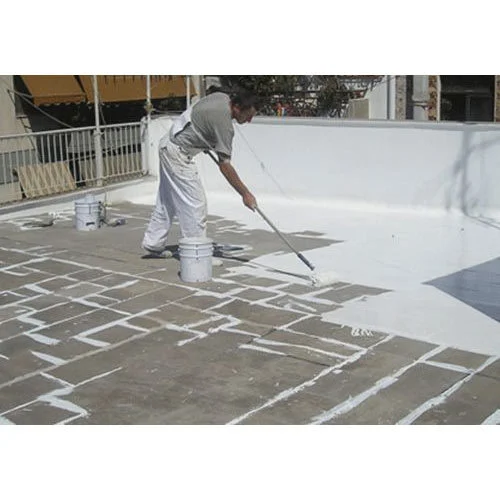
But full terrace waterproofing? I’d genuinely advise against DIY here. It’s not just about applying a coating — it involves surface preparation, crack filling, slope correction for proper water drainage, and layering technique that most people just don’t have the tools or experience for.
A botched DIY job can actually trap moisture underneath the coating, making things worse than if you’d done nothing at all. I’ve seen this happen more than once, and it’s a painful, expensive lesson to learn.
- DIY works for: small cracks, minor touch-ups, pipe joint sealing
- Professional needed for: full terrace jobs, bathroom waterproofing, basement work, anything involving slope correction
How Long Should Waterproofing Actually Last?
Depends entirely on material, application quality, and how much foot traffic or water pooling the roof deals with.
A cementitious job done well should give you 5-7 solid years. PU coatings stretch to 8-10. Membrane systems, if installed by someone who actually knows what they’re doing, can cross 12-15 years without major issues.
That said — annual maintenance checks matter more than people realize. A quick inspection before each monsoon, checking for cracks or pooling water, can extend the life of any waterproofing job by a good couple of years. It’s a five-minute check that saves a five-figure repair.
Common Mistakes That Ruin Waterproofing Jobs
I’ve seen the same mistakes repeated across dozens of projects, honestly it gets a bit frustrating watching people make the same errors.
- Skipping surface cleaning before application — dust and debris under the coating cause it to peel within months
- Ignoring slope and drainage — water pooling anywhere on the terrace defeats the purpose of waterproofing entirely
- Applying during humid or rainy conditions, rushing the curing process
- Choosing the cheapest material without checking if it actually suits the roof’s exposure and usage
- Not waterproofing parapet walls and joints, which are honestly where most leaks originate from, not the flat surface itself
That last one surprises people every time. The flat terrace surface usually isn’t the problem — it’s the edges, joints, and pipe outlets that get neglected.
FAQs
What is the average roof waterproofing cost per square foot in India? Generally between ₹40 and ₹120 per sq ft depending on material — cementitious coating on the lower end, PU or membrane systems on the higher end. Labour costs vary a fair bit by city too.
How long does roof waterproofing take to complete? For an average 1000 sq ft terrace, expect 3-5 days including surface prep, coating layers, and curing time between each layer. Rushing this timeline usually leads to a shorter lifespan for the coating.
Can waterproofing be done during monsoon? Not recommended at all. Wet or humid surfaces prevent proper curing, and most jobs done during monsoon fail within a year. Stick to the dry pre-monsoon window if you possibly can.
Is roof waterproofing necessary for new constructions too? Yes, absolutely — even brand new RCC roofs are porous at a micro level and will develop seepage over time without treatment. Builders sometimes skip this or do a bare minimum job to cut costs.
Which waterproofing material lasts the longest? APP/SBS membrane systems generally last the longest, 10-15 years, though they cost more upfront. For most residential budgets though, PU coating offers a solid middle ground between cost and durability.
Does waterproofing help with heat insulation too? To some extent, yes. Certain waterproofing coatings, especially reflective or heat-resistant PU variants, can reduce indoor heat by a noticeable margin during peak summer, though it’s not their primary function.
Conclusion
Getting your roof waterproofing cost sorted before monsoon isn’t just about avoiding leaks — it’s about not paying for the same repair three times over because the timing or material was wrong the first go around. Cementitious for budget jobs, PU for flexibility and heat, membrane systems if you want to genuinely forget about it for a decade.
If your terrace hasn’t been checked in the last two-three years, don’t wait for the first ceiling stain to show up. Book an inspection this month, get quotes from at least two contractors, and lock in the work before March turns into a scramble.