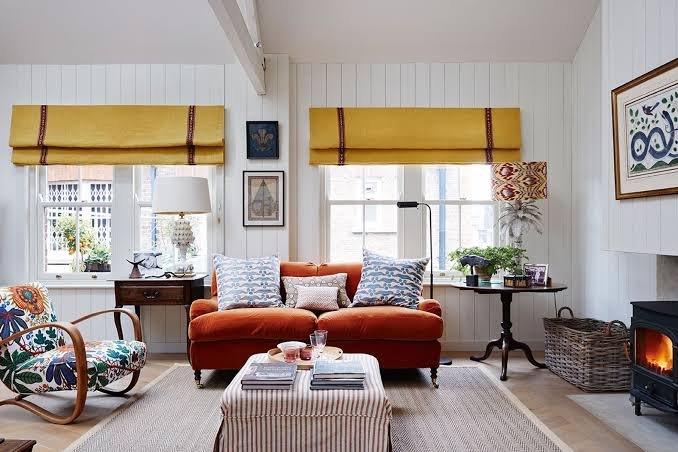
So you’ve just moved into a rented flat, and the walls are staring back at you — bare, beige, and a little sad. You want it to feel like home. But your landlord’s voice is stuck in your head: “no nails, no paint, no changes without permission.” Sound familiar?
Good rental home decor ideas aren’t about giving up on style. They’re about being clever with what you can change instead of fighting what you can’t. I’ve rented four different homes over the last decade, across two cities, and I’ve learned most of this the hard way — including one memorably awkward conversation with a landlord about a curtain rod hole. Let’s get into what actually works.
Why Renters Struggle With Decorating in the First Place
Featured snippet: Renters struggle because most decor advice assumes ownership — painting walls, drilling shelves, changing fixtures. In a rental, every change risks deposit deductions, so the real skill is decorating in ways that are completely reversible.
Most home decor content is written for people who own their walls, quite literally. Magazines show accent walls, built-in shelving, custom lighting. None of that translates when you’re renting.
There’s also the fear factor. I’ve noticed that a lot of renters just… don’t decorate at all, out of anxiety. They live in a half-furnished, half-personal space for years because they’re scared of losing ₹10,000 or ₹20,000 from their deposit over a nail hole. That’s not living, that’s just waiting.
The trick is understanding what landlords actually check during move-out inspections (usually paint condition, fixtures, and major damage) versus what they genuinely don’t care about (removable decor, furniture arrangement, temporary additions).
Rental Home Decor Ideas That Don’t Involve a Single Nail
This is where most of your transformation should happen, honestly. Command strips, adhesive hooks, and removable mounting putty have gotten so much better in the last few years — some hold up to 7-8 kg now.
A few things I’d actually recommend:
- Command hooks and strips for hanging frames, mirrors, and light string lights — they peel off clean if you follow the removal instructions (pull down slowly, don’t yank sideways)
- Washi tape for creating geometric wall patterns or fake “wallpaper” borders — it’s paper-based, low-tack, and comes off without residue on most painted walls
- Leaning large mirrors or framed art against the wall instead of hanging them — this has become genuinely trendy, not just a rental workaround
- Freestanding shelving units (ladder shelves, cube organizers) instead of wall-mounted ones
- Rugs, layered rugs even, to define zones in an open studio apartment
One thing I’ll disagree with a lot of “renter-friendly decor” blogs on: don’t trust every adhesive product blindly. I once used a cheap 3M knockoff hook to hang a decent-sized mirror, and it came down at 2 AM with a crash that scared my cat half to death. Spend the extra ₹200-300 on genuine Command products for anything with real weight.
Removable Wallpaper and Peel-Off Panels — Worth the Hype?
Featured snippet: Removable wallpaper is generally safe for rentals if applied correctly to smooth, clean walls, but results vary on textured or freshly painted surfaces — always test a small patch first and check with your landlord before committing to a full wall.
Peel-and-stick wallpaper has exploded in popularity, and for good reason. Brands available on Amazon India and through local decor stores now offer options starting around ₹80-150 per square foot.
Here’s the honest truth, though: it doesn’t work equally well everywhere. On smooth, recently painted walls, it goes on and comes off beautifully. On older, textured, or slightly damp walls — common in a lot of Indian apartments, especially ground floor units — it can peel unevenly or leave a faint outline behind.
My advice? Apply it to just one accent wall first, in a low-visibility spot, and leave it for two weeks. If it comes off clean, you’re safe to expand. If you notice any residue or paint lifting, stop right there and switch to a fabric wall panel instead — those are held up with a simple wooden frame system that never touches the actual wall.
Furniture and Layout Tricks That Change Everything
You’d be surprised how much a room’s entire personality shifts just from furniture placement. This costs zero rupees and zero deposit risk, which honestly makes it my favorite category on this list.
Picture a small business owner in Jaipur, working from a one-bedroom rental with no separate study. Instead of asking the landlord for a partition wall (which, obviously, wasn’t happening), she used a tall bookshelf to divide her living room into a “work zone” and a “living zone.” Added a floor lamp, a rug under the desk area. Total cost: under ₹8,000. It looked — and felt — like two separate rooms.
A few layout moves worth trying:
- Float your sofa away from the wall to create a walking path and a more “designed” feel
- Use a bookshelf or open shelving unit as a room divider in studio-style layouts
- Angle a bed diagonally in an oddly-shaped bedroom corner — it sounds unconventional but often solves awkward proportions
- Group small furniture pieces (side tables, ottomans) rather than scattering them — clusters read as intentional, scattered pieces read as unfinished
Don’t underestimate curtains here either. Hanging them higher than the actual window frame — even just 15-20 cm higher — makes ceilings look taller and rooms feel bigger. It’s a trick interior designers use constantly, and it costs nothing beyond a slightly longer curtain rod.
Lighting Changes That Won’t Touch the Wiring
Featured snippet: Renters can dramatically improve lighting without any electrical work by using plug-in floor lamps, battery-operated LED strips, and swapping out lampshades — all fully reversible and requiring zero permission from a landlord.
Lighting is, in my opinion, the single most underrated part of rental home decor ideas. Most rented homes come with one harsh, cold-toned ceiling light and nothing else. It’s brutal, honestly, and it makes even a nicely furnished room feel like a waiting area.
Layer in some warmth instead:
- Add a floor lamp or two in corners — warm white bulbs (2700K-3000K) make an enormous difference
- Battery-operated LED strip lights under shelves or behind a TV unit for ambient glow
- Swap plain lampshades for fabric or rattan ones — takes two minutes, changes the whole vibe
- Use plug-in pendant lights (yes, they exist now) if you want a hanging fixture without any electrician involved
I switched from the default tube light in my bedroom to two warm floor lamps last year, and my partner still comments on how much calmer the room feels in the evenings. Small change, disproportionate impact.
Temporary Flooring and Rug Solutions for Rented Spaces
Old, chipped, or just plain ugly flooring is one of the hardest things to fix in a rental, since replacing tiles or redoing the floor is obviously off the table. Rugs solve most of this problem.
A large area rug (8×10 feet or bigger, depending on room size) can cover a genuinely large percentage of unattractive flooring. Layer a smaller patterned rug on top of a neutral jute one for texture without going overboard on cost — this “rug layering” trend works particularly well in living rooms and reading corners.
For kitchens and bathrooms, peel-and-stick vinyl floor tiles have become a solid renter option too. They sit directly over existing tiles, cost roughly ₹40-70 per square foot, and lift off cleanly when it’s time to move. I’d still recommend checking a hidden corner first — some adhesive types react badly with certain original tile finishes, especially older glazed ceramic ones common in older Indian buildings.
Getting Landlord Permission the Right Way
Here’s something people skip constantly: just ask. A shocking number of renters assume “no” without ever actually raising the question.
Landlords generally care about three things — resale value, tenant turnover cost, and liability. If your request doesn’t threaten any of those, plenty of landlords say yes.
- Ask for permission in writing (WhatsApp counts) so there’s a record if there’s ever a dispute at move-out
- Offer to restore anything to original condition before you leave, and put that in writing too
- If you want to paint a wall, offer to repaint it back to the original shade before vacating — many landlords accept this instantly
- Small requests (installing a shower curtain rod, changing a doorknob temporarily) are almost always approved without hesitation
I once asked my landlord if I could install a small shelf using screws, promising to fill and patch the holes on move-out. He said yes immediately, on the condition that I send him photos before and after. Took thirty seconds to negotiate. [link to related guide on tenant rights and rental agreements here]
Budget-Friendly Decor Swaps That Look Expensive
Featured snippet: Affordable rental decor upgrades that create a high-end look include layered textiles, statement mirrors, greenery, and curated shelf styling — all reversible, all under ₹3,000-5,000 combined, and none requiring landlord approval.
You genuinely don’t need a big budget for this. Some of the highest-impact swaps cost less than a nice dinner out.
Things I’d prioritize, roughly in order of impact-per-rupee:
- Throw cushions and a couple of throws (₹300-800 each) — instantly makes a sofa look intentional rather than borrowed
- One large statement mirror (₹1,500-3,000) — bounces light and makes rooms feel 20-30% bigger
- Indoor plants, real or good-quality artificial — pothos and snake plants survive almost total neglect and cost ₹100-300 at a local nursery
- Curated bookshelf or console styling — group books by color, add a candle, a small tray, a plant — it’s free if you already own the items, just rearranged
- A patterned tablecloth or runner over a plain rented dining table
None of this needs to be expensive to look put-together. Honestly, some of the worst-looking rentals I’ve seen belonged to people who spent lakhs on furniture but never bothered with the small styling layer on top.
Common Decor Mistakes That Actually Cost Your Deposit
This section matters more than people think. Most deposit disputes I’ve heard about (and one I lived through) come down to a handful of repeated mistakes.
- Painting a wall without written permission, even a “small” accent wall
- Using strong adhesives or double-sided foam tape directly on paint — some of these pull paint clean off when removed
- Drilling into tiled bathroom walls for extra shelving without asking first
- Leaving nail holes unpatched, even tiny ones — a ₹50 tube of wall putty solves this in five minutes
- Assuming carpet stains or scuff marks will go “unnoticed” during inspection — they rarely do
If in doubt, always test any adhesive or tape on a hidden spot — behind a door, inside a cupboard — before committing to a visible wall. [link to related guide on move-out cleaning checklists here]
Frequently Asked Questions
Can I paint a rented house wall without permission? Technically, no — most rental agreements in India specify that structural or cosmetic changes need written landlord approval. If you really want a colored wall, ask first, and offer to repaint it neutral before you move out. Many landlords are more flexible than you’d expect, especially for long-term tenants.
What is the best way to hang photos without nails in a rental? Command strips and adhesive hooks rated for the frame’s weight work best. For heavier frames, consider leaning them against the wall on a shelf or floating ledge instead — no adhesive required at all.
Do peel-and-stick wallpapers damage rental walls? Usually not, if the wall is smooth and freshly painted. Older or textured walls carry more risk of paint lifting. Always test a small patch first before covering an entire wall.
How can I make a small rented room look bigger without renovation? Mirrors, vertical curtain hanging, lighter-colored rugs, and decluttering furniture against walls all help visually. Lighting also plays a bigger role here than most people assume.
Will my landlord deduct money for nail holes? Small, patched nail holes are usually considered normal wear and tear in most rental agreements, but this varies by landlord and city. Patching them yourself with putty before move-out significantly reduces any risk of deduction.
What are affordable rental home decor ideas for a tight budget? Cushions, throws, a statement mirror, indoor plants, and rearranged furniture layouts deliver the most visible change for the least money — often under ₹5,000 total for an entire room refresh.
Conclusion
Decorating a rented home doesn’t have to mean choosing between style and your security deposit. The best rental home decor ideas all share one thing in common — they’re reversible. Command hooks instead of nails, rugs instead of new flooring, floor lamps instead of rewiring, and a quick conversation with your landlord instead of assuming “no.”
Start with one room this weekend. Pick two or three ideas from this list, not all of them at once. Your rented flat can feel completely yours by 2026 — without a single rupee lost when you finally hand back the keys.