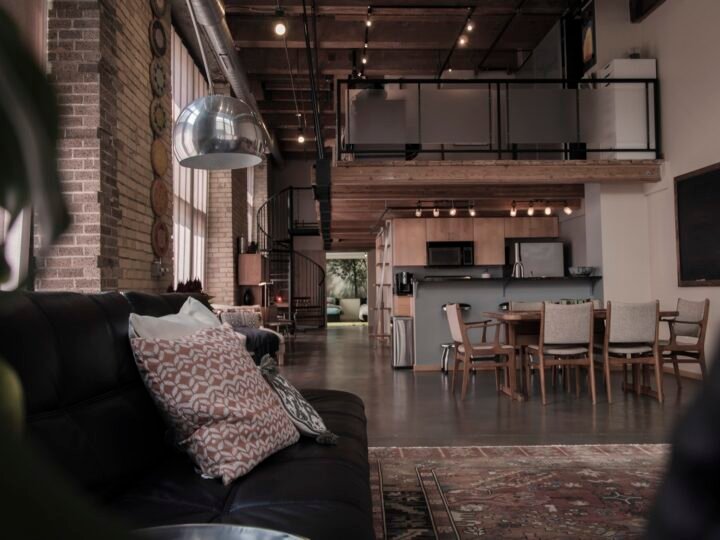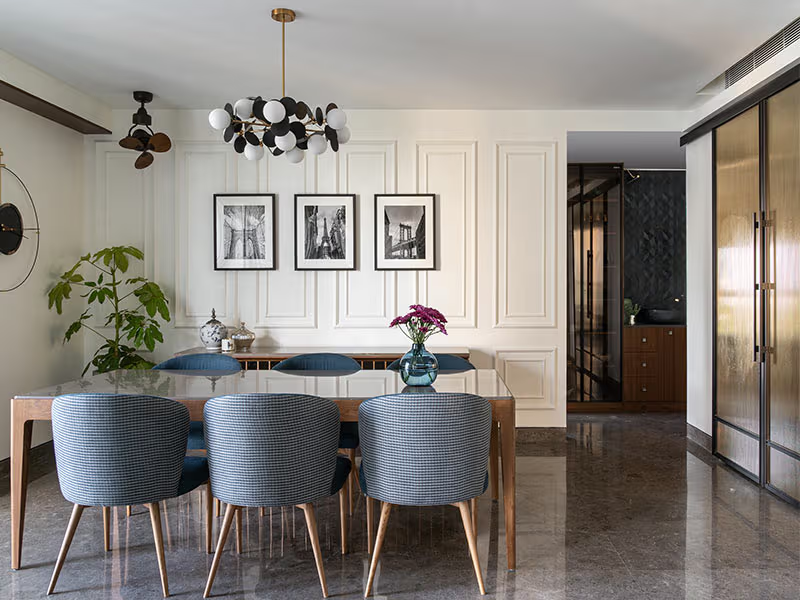
So you’ve just bought a flat — or you’re renovating one you’ve lived in for years — and someone in the family has brought up Vastu. Maybe it was your mother-in-law. Maybe it was you, quietly Googling at 1 AM because the living room just doesn’t feel right. Either way, you’re now stuck wondering if vastu friendly interior design means giving up on your Pinterest boards full of minimalist furniture and matte black fixtures. It doesn’t, actually. I’ve worked with clients in Jaipur and Gurugram who wanted both — the sense of order that Vastu promises and a home that looks like it belongs in 2026, not 1985.
The truth is, good vastu friendly interior design and good modern design agree on more than people assume. Both care about light, airflow, and not cramming a room full of clutter. The disagreements are smaller than the internet makes them sound.
What Does Vastu Friendly Interior Design Actually Mean?
Vastu friendly interior design is the practice of arranging rooms, furniture, colours, and even doorways according to Vastu Shastra — an old Indian system built around directions and the five elements (earth, water, fire, air, space) — while still keeping the space functional and visually current.
It’s not about hanging a dozen mirrors or painting your walls a specific shade of yellow because some blog said so. Real Vastu is more about placement logic. Where does the sun enter first? Where should heavy furniture sit so the room doesn’t feel lopsided? Which corner naturally gets more airflow, and what should you do with it?
A lot of people confuse Vastu with superstition, and I get why — some of the advice floating around WhatsApp groups is genuinely bizarre. But strip away the exaggeration and you’re left with a fairly sensible framework for organizing a home around light and movement.
Why More Homeowners Are Choosing Vastu Friendly Interior Design in 2026
Here’s a direct answer for anyone skimming: In 2026, homeowners are choosing vastu friendly interior design because it blends emotional comfort with practical space planning — buyers increasingly ask builders about north-east kitchens and south-west master bedrooms before signing anything.
I’ve noticed something over the last few years — even young couples who’d never call themselves “traditional” still ask their architect about Vastu before finalizing a floor plan. It’s not always about belief. Sometimes it’s about resale value. A flat marketed as Vastu-compliant in cities like Jaipur, Jodhpur, or Lucknow genuinely sells faster, and can fetch anywhere from 5-10% more depending on the locality.
There’s also a generational shift happening. Parents who grew up with strict Vastu rules are now more relaxed, willing to compromise. Their kids, meanwhile, are curious about it again — not out of obligation, but because open floor plans and natural light (which Vastu heavily emphasizes) genuinely make homes feel better to live in.
Getting the Main Door and Entrance Right
A quick answer first: for vastu friendly interior design, the main entrance should ideally face north, east, or north-east, be well-lit, free of clutter, and open inward without obstruction — this is considered the point where energy and opportunity enter the home.
The entrance sets the tone, literally and figuratively. If your door is stuck in a south-west orientation (which happens more often than you’d think in older Jaipur havelis converted into apartments), don’t panic — you don’t need to knock down a wall.
A few practical fixes:
- Keep the entryway well-lit, even if it means adding a warm LED strip instead of relying on a single bulb.
- Avoid stacking shoes, umbrellas, or a giant shoe rack right at the door — it blocks the “flow,” and honestly, it just looks messy too.
- A small threshold rangoli or a potted tulsi plant near the entrance works both aesthetically and traditionally.
- Skip the broken doorbell. Sounds silly, but a non-functional entry point is considered stagnant energy, and practically speaking, it’s just annoying for guests.
Kitchen Placement That Doesn’t Fight Your Layout
The kitchen is where Vastu debates get heated fastest, mostly because moving a kitchen mid-renovation is expensive. Ideally, the kitchen sits in the south-east corner of the home, governed by Agni, the fire element.
But what if your builder already put it in the north-west? This happens constantly in newer Jaipur apartment complexes where builders prioritize plumbing lines over Vastu charts. In that case, focus on the stove placement instead of the whole room. The cook should ideally face east while cooking, and the gas stove and sink shouldn’t sit directly adjacent to each other — fire and water elements clashing, so to speak.
Picture a small business owner in Jaipur I once consulted for — her kitchen was oddly placed in the north corner of a compact 2BHK, and she was ready to break a wall over it. Instead, we just repositioned the stove along the east-facing wall and added a small copper water container near the north side to “balance” the water element symbolically. Cost her about ₹15,000 instead of a full renovation running into lakhs.
Bedroom Design for Rest and Stability
Here’s the quick version: the master bedroom works best in the south-west zone of the home, with the bed positioned so you sleep with your head toward the south or east — this direction is associated with grounding and better sleep quality according to Vastu principles.
I’ll be honest, I don’t fully buy every claim about sleep direction affecting your health. But there’s something to be said for not sleeping directly under a ceiling beam, or with your feet pointed straight at the door — both are Vastu no-nos, and both genuinely feel unsettling once you notice them.
For vastu friendly interior design in bedrooms, a few things matter more than direction alone:
- Mirrors shouldn’t face the bed directly — traditionally considered bad for restful sleep, and practically, waking up to your own reflection at 3 AM is unnerving anyway.
- Keep electronics away from the headrest if you can manage it.
- Choose warm, earthy tones — terracotta, muted greens, soft browns — over stark white or aggressive red for the walls.
- Storage should stay low and light near the bed; heavy wardrobes belong on the south or west wall.
Colour Choices That Balance Vastu and Modern Aesthetics
Colour is where I see the most unnecessary anxiety. People assume Vastu forces you into using only yellows, whites, and light blues everywhere, which just isn’t true.
Each direction has an associated element, and colours loosely follow that logic — earthy browns and yellows for the south-west (earth element), blues and greens for the north (water and growth), whites and light greys for the north-west (air element). That said, a good interior designer can absolutely work a deep charcoal accent wall or a matte black kitchen island into a Vastu-conscious layout, as long as the dominant palette in that specific zone leans supportive rather than opposing.
I’ve seen homes with a bold navy dining room that still “worked” Vastu-wise because the room sat in the north zone. So no, you don’t have to live in a house that looks like a pastel Easter egg.
Furniture Arrangement and the Idea of Open Flow
Vastu friendly interior design places a lot of weight on how furniture sits within a room — not just where the room itself is located. Heavy furniture generally belongs in the south or west, leaving the north-east lighter and more open.
This actually aligns really well with contemporary minimalist trends, which is probably why the two philosophies coexist so easily now. Overcrowded rooms, whether you’re following Vastu or not, tend to feel stressful. A cluttered north-east corner in a living room just looks bad regardless of what tradition says about it.
Some practical furniture tips:
- Sofas and heavy cabinets: south or west walls.
- Study tables: positioned so the person faces east or north while working — genuinely useful for concentration, Vastu aside.
- Keep the centre of any room (“Brahmasthan,” in Vastu terms) relatively open — no massive coffee tables blocking the middle of a small living room.
- Round or oval dining tables are preferred over sharp-cornered rectangular ones in strict Vastu circles, though this is one of the more flexible rules in my experience.
Lighting, Plants, and Natural Elements
Natural light gets treated almost like currency in Vastu. East-facing windows should stay uncovered or lightly curtained to let morning sun in — it’s considered auspicious, and frankly, morning sunlight is just good for you regardless of belief system.
For plants, money plants and tulsi are considered auspicious, ideally placed in the east or north-east. Avoid keeping thorny plants like cacti indoors, particularly near the entrance — this one’s less about mysticism and more about not wanting to accidentally injure a guest.
If your flat genuinely lacks natural light (a real problem in a lot of dense Jaipur neighborhoods with tightly packed buildings), layered artificial lighting can partially substitute. Warm-toned LED lights in the north-east, paired with a few mirrors placed to bounce whatever daylight you do get, make a noticeable difference.
Common Vastu Compromises in Small or Rented Homes
Not everyone has the luxury of designing from scratch. If you’re renting, or working with an oddly shaped apartment, full Vastu compliance often just isn’t realistic. And that’s fine.
Focus on what’s actually movable:
- Furniture placement and colour palette — both flexible regardless of the building’s fixed layout.
- Small remedies like a Vastu pyramid, crystal, or mirror placement to symbolically correct a “flaw” — controversial among purists, but low-cost and low-risk if it gives you peace of mind.
- Decluttering. Genuinely, this alone solves half the “bad energy” complaints people have about a room.
[link to related guide on small apartment interior design here] could be useful for readers dealing with space constraints specifically.
Blending Vastu Principles With Contemporary Design Trends
This is where a lot of interior designers either succeed brilliantly or completely miss the mark. The mistake is treating Vastu and modern aesthetics as opposing forces that need constant negotiation. They really don’t have to be.
Think of it this way — open-concept living, abundant natural light, decluttered spaces, and a preference for organic materials like wood and stone are all hallmarks of both good Vastu and good contemporary design. [link to related guide on modern minimalist home decor here]
Where they genuinely diverge is in rigid direction-based rules that don’t account for a plot’s actual shape or a city’s building density. A good designer negotiates between the two rather than picking one dogmatically.
FAQs About Vastu Friendly Interior Design
Is it expensive to make an existing home Vastu friendly? Not necessarily. Structural changes like moving a kitchen or bathroom can cost lakhs, sure, but most homes get 70-80% of the benefit just from furniture rearrangement, colour changes, and decluttering — all of which cost far less.
Can a Vastu friendly interior design still look modern and minimal? Absolutely, and honestly the two go together better than people expect. Minimalism already emphasizes open space and natural light, which Vastu prioritizes too.
What if my flat’s main door faces south — is that automatically bad? Not automatically. South-facing entrances aren’t ideal by strict Vastu standards, but proper lighting, a clean threshold, and specific remedies (like certain door colours) can offset a lot of the concern.
Do I need to hire a Vastu consultant separately from my interior designer? Depends on your budget and how strict you want to be. Many interior designers today, especially in cities like Jaipur, already understand basic Vastu principles and can incorporate them without a separate consultant.
Is Vastu the same as Feng Shui? No, though people mix them up constantly. Vastu Shastra is Indian in origin and direction-based; Feng Shui is Chinese and works more with energy flow (“chi”) through objects and pathways. They overlap in spirit but aren’t interchangeable.
Will ignoring Vastu completely cause problems in my home? There’s no scientific proof of that, and plenty of people live happily in homes that don’t follow a single Vastu rule. It really comes down to personal or family belief — some find comfort and order in it, others don’t, and both are valid.
Final Thoughts
Getting vastu friendly interior design right isn’t about rigid rule-following or turning your home into a shrine to tradition. It’s closer to thoughtful space planning that happens to have a few thousand years of observation behind it. Start small — fix your entrance lighting, rearrange a few heavy pieces of furniture, get some natural light into that gloomy north-east corner — and see how the space feels before committing to anything structural.
If you’re planning a renovation this year, talk to your designer about which Vastu principles actually matter for your specific layout, instead of trying to follow every rule you find online. Your home should feel right to live in — that’s really the whole point, tradition or not.