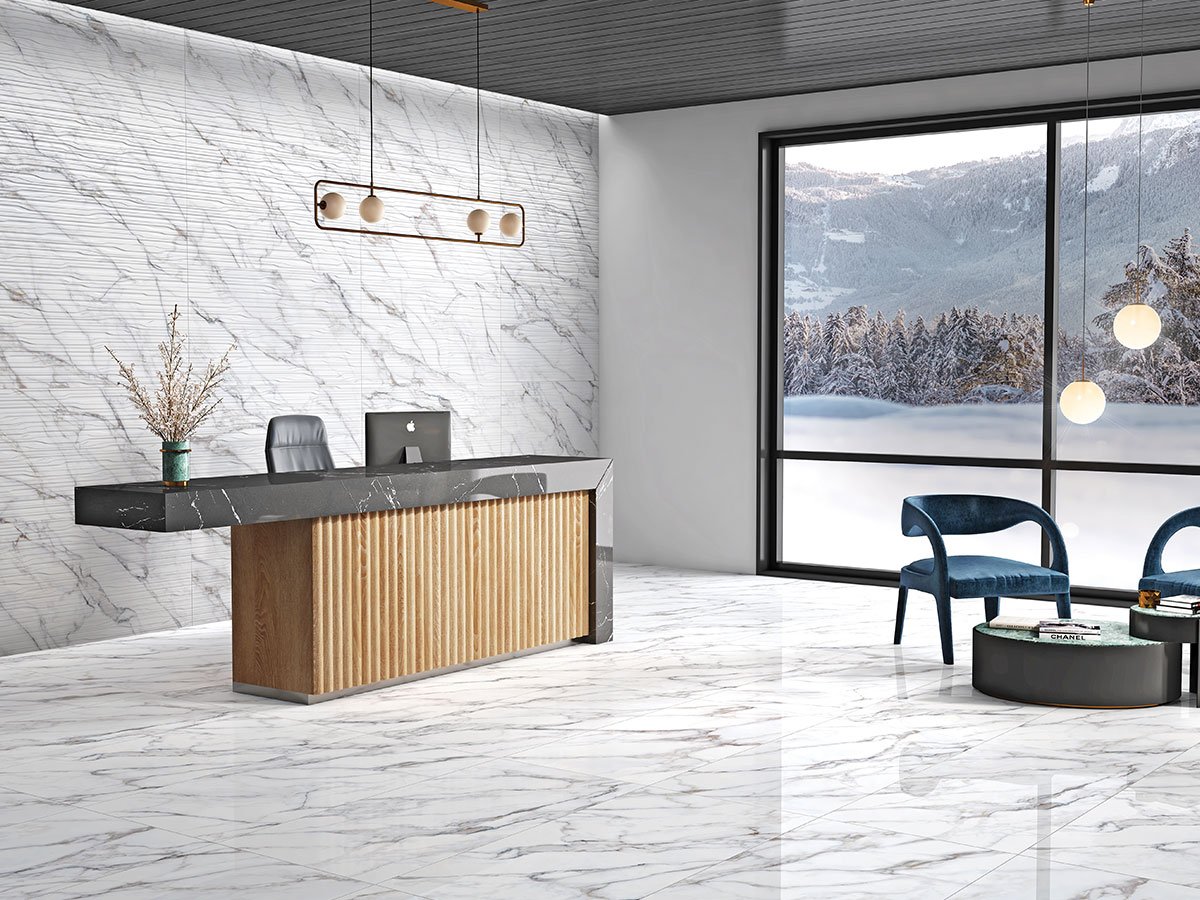
So you’re building or renovating, and your contractor just handed you two quotes — one for vitrified tiles, one for marble. And now you’re stuck staring at the numbers, not really sure what you’re paying for beyond “per square foot rate.” I get it. I’ve sat through this exact conversation with three different contractors over the years, and honestly, half of them don’t explain the hidden costs either. This guide breaks down the real vitrified tiles vs marble comparison — not just the sticker price, but what you’ll actually spend over 10 years.
Let’s get into it.
Vitrified Tiles vs Marble: The Quick Answer
Vitrified tiles typically cost ₹40–₹150 per sq ft (material + installation), while marble ranges from ₹80 to ₹500+ per sq ft depending on the variety. Tiles win on upfront cost and maintenance; marble wins on resale value and that unmatched natural look — if you can afford the upkeep.
What Exactly Are Vitrified Tiles?
Vitrified tiles are essentially a mix of clay, silica, quartz, and feldspar, fired at high temperature until the material becomes almost glass-like. Low porosity, high durability. That’s the technical version.
The practical version? They look like stone (sometimes even marble) but behave a lot more like armor. No sealing needed, no staining from turmeric spills, and honestly — most people can’t tell it’s not real marble unless they get down and touch it.
There are a few types worth knowing:
- Double-charged vitrified tiles — pattern goes 3-4mm deep, good for moderate foot traffic
- Full-body vitrified tiles — pattern runs through the entire tile thickness, so scratches don’t show as easily
- Glazed vitrified tiles (GVT) — printed design on top with a glossy or matte finish, cheapest option but the design layer can wear thin over decades
What Makes Marble Different?
Marble is metamorphic rock — literally millions of years old, cut and polished into slabs. Every single piece is unique, veining included. That’s part of the appeal and, frankly, part of the headache too, since matching slabs across a large hall can get tricky.
Indian marble like Makrana (yes, the same marble used in the Taj Mahal) or Kishangarh varieties are popular locally, while Italian marble like Statuario or Carrara sits at the premium end.
Material Cost Comparison: Vitrified Tiles vs Marble
Vitrified tiles vs marble on raw material cost isn’t close for budget projects — tiles are almost always cheaper at the entry level, though premium tile ranges can creep close to mid-range marble.
Here’s roughly what you’re looking at in 2026 for material alone (excluding labour):
| Type | Price Range (per sq ft) |
| Basic GVT tiles | ₹35 – ₹60 |
| Double-charged vitrified | ₹60 – ₹100 |
| Full-body vitrified | ₹90 – ₹180 |
| Indian marble (Makrana/Kishangarh) | ₹80 – ₹200 |
| Premium Indian marble | ₹200 – ₹350 |
| Italian marble | ₹350 – ₹1,200+ |
Prices shift a fair bit by region and by which dealer you’re buying from — Kishangarh mandi rates versus a Jaipur or Mumbai showroom can differ by 20-30%. Worth calling around before you commit.
Installation and Labour Costs
This is where a lot of people get caught off guard. Labour isn’t a flat number — it depends on the material.
Marble installation generally costs more than vitrified tile installation because it requires skilled masons, polishing after laying, and often edge-cutting for bookmatching patterns.
- Vitrified tile laying: ₹15 – ₹35 per sq ft
- Marble laying (including polishing): ₹30 – ₹70 per sq ft
Picture a 1,000 sq ft flat in Jaipur. Going with mid-range vitrified tiles, you might spend around ₹1,00,000 total (material + labour). The same area in decent Indian marble could easily cross ₹2,00,000-₹2,50,000, once you add polishing charges. That’s not a small gap when you’re already juggling a construction budget.
Maintenance Costs Over Time
Here’s the thing nobody tells you upfront — the sticker price is just the beginning. Marble needs periodic polishing to keep its shine, usually every 1-2 years, costing anywhere from ₹8 to ₹20 per sq ft each time.
Vitrified tiles need almost no maintenance — a mop and a mild cleaner does the job, and they resist stains from oil, turmeric, and tea spills far better than untreated marble.
Marble is also porous. It can stain, etch from acidic spills (think lemon juice, vinegar), and needs sealing every couple of years in high-traffic homes. I’ve noticed kitchens with marble counters or flooring near the cooking area show wear within 3-4 years if nobody’s diligent about sealing. It’s not marble’s fault exactly — it’s just high-maintenance by nature, and a lot of homeowners underestimate that going in.
Quick Maintenance Snapshot
- Vitrified tiles: sweep + mop weekly, deep clean occasionally, zero sealing
- Marble: needs sealing every 1-2 years, polishing to restore shine, careful with acidic cleaners
- Marble in kitchens/bathrooms: higher risk of staining without proper sealing
- Vitrified tiles in wet areas: anti-skid variants available, low water absorption
Durability and Lifespan
Both materials can genuinely last decades if installed well, but they age differently.
Vitrified tiles resist scratches reasonably well, especially the full-body variety, and don’t chip easily. They also don’t fade or discolor from sunlight the way some natural stones can.
Marble, on the other hand, can develop a beautiful patina over time — some people actually like that aged look. But it can also chip at edges, and repairs are trickier since matching the exact vein pattern on a replacement piece is nearly impossible. If a tile cracks, you replace it and move on. If a marble slab cracks, good luck finding an exact match from the same quarry batch.
Aesthetics and Resale Value
Let’s be honest — nothing quite replicates the depth and natural variation of real marble. High-gloss vitrified tiles have gotten impressively close in recent years, but under close inspection or raking light, you can usually tell the difference.
Marble adds noticeably more resale value to a property compared to vitrified tiles, particularly in premium segments where buyers specifically look for natural stone flooring in living rooms or entrance lobbies.
That said, does resale value matter if you’re planning to stay in the house for 20+ years? Probably not as much as day-to-day comfort and upkeep. This is really a personal call — are you optimizing for property value or for lower hassle?
Which One Should You Choose? (Room-by-Room Breakdown)
Not every room needs the same flooring, and honestly, mixing materials by room is pretty common in Indian homes now.
- Living room / entrance lobby — marble if budget allows, for that grand first impression; full-body vitrified tiles as a solid alternative
- Bedrooms — vitrified tiles make more sense; lower maintenance, warmer underfoot feel with the right finish
- Kitchen — vitrified tiles, hands down, given the spill and stain resistance
- Bathroom — anti-skid vitrified tiles or matte-finish variants for safety
- Outdoor/balcony areas — vitrified tiles designed for exterior use, since marble weathers poorly outdoors
[link to related guide on best flooring for Indian kitchens here]
Environmental and Climate Considerations
Marble stays naturally cool, which is genuinely nice in places like Jaipur or Ahmedabad where summers hit 45°C+. Vitrified tiles can feel cooler too, though slightly less than natural stone, in my experience walking on both.
In coastal or high-humidity regions like Mumbai or Kochi, vitrified tiles tend to hold up better against moisture-related issues since they’re far less porous than marble. If you’re in a humid climate, that’s a real factor to weigh, not just a marketing point.
[link to guide on choosing flooring by Indian climate zone here]
Total Cost of Ownership: 10-Year Estimate
Let’s run rough numbers for that same 1,000 sq ft flat, over a 10-year span, including maintenance.
- Vitrified tiles: ₹1,00,000 (install) + minimal upkeep ≈ ₹1,10,000 total
- Mid-range Indian marble: ₹2,25,000 (install) + polishing every 2 years (₹15,000 x 4-5 times) ≈ ₹2,90,000-₹3,00,000 total
That’s roughly a ₹1,80,000-₹1,90,000 difference over a decade for a mid-sized flat. For a budget-conscious homeowner, that’s not pocket change — it could be a modular kitchen upgrade or a decent chunk of your interior budget elsewhere.
[link to home renovation budget planning guide here]
Frequently Asked Questions
Is vitrified tile cheaper than marble? Yes, in almost every case. Vitrified tiles cost less both in material and installation, and they need far less ongoing maintenance, which widens the gap even more over time.
Which lasts longer, marble or vitrified tiles? Both can last 20-30 years with proper care. Marble ages more visibly and needs upkeep to stay looking good, while vitrified tiles tend to stay consistent with minimal effort.
Does marble increase home resale value more than tiles? Generally yes, especially in premium property segments. Buyers often associate marble with luxury, though this varies by city and target buyer.
Can vitrified tiles look exactly like marble? Close, but not exact. High-quality full-body vitrified tiles with marble-effect printing get impressively close visually, though the depth and randomness of real veining is hard to fully replicate.
Which is better for Indian kitchens, tiles or marble? Vitrified tiles, mainly because of stain and acid resistance. Marble in kitchens needs sealing and careful cleaning to avoid etching from spills like lemon or vinegar.
Is Italian marble worth the extra cost over Indian marble? It depends on your budget and priorities. Italian marble often has finer veining and a more uniform look, but Indian marble like Makrana is significantly cheaper and still holds up well for most homes.
Final Thoughts
At the end of the day, vitrified tiles vs marble isn’t really about which one is “better” — it’s about which one fits your budget, your lifestyle, and how much maintenance you’re genuinely willing to put in. If you want a low-fuss floor that looks good for years without babying it, vitrified tiles are the practical pick. If you’re after that timeless, natural look and don’t mind the periodic polishing bills, marble still holds its own charm.
Before you finalize anything, get quotes from at least two or three local dealers, ask for sample pieces to see how they look in your actual room lighting, and factor in the 10-year cost — not just the installation invoice. That’s the number that actually matters.